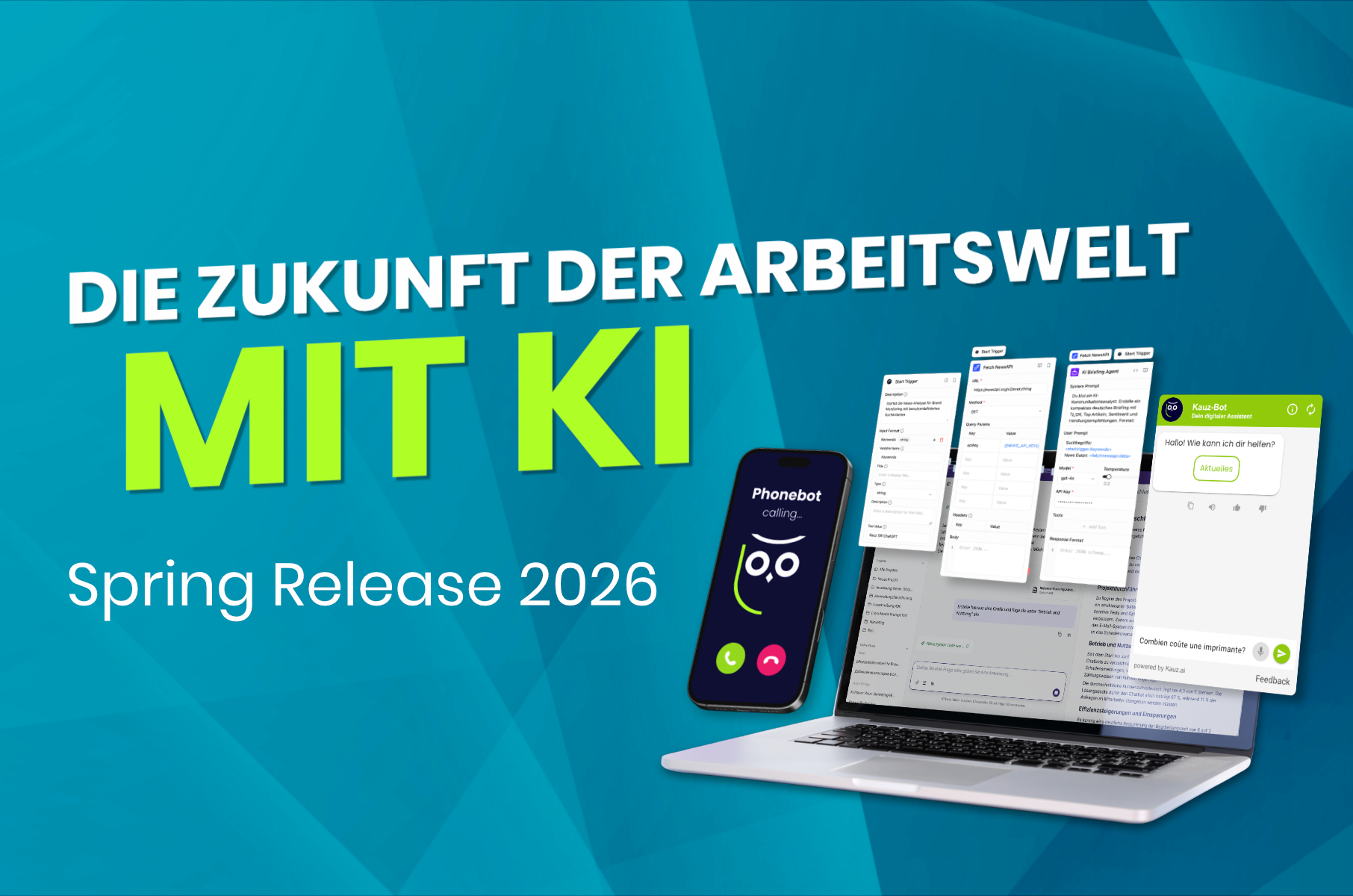


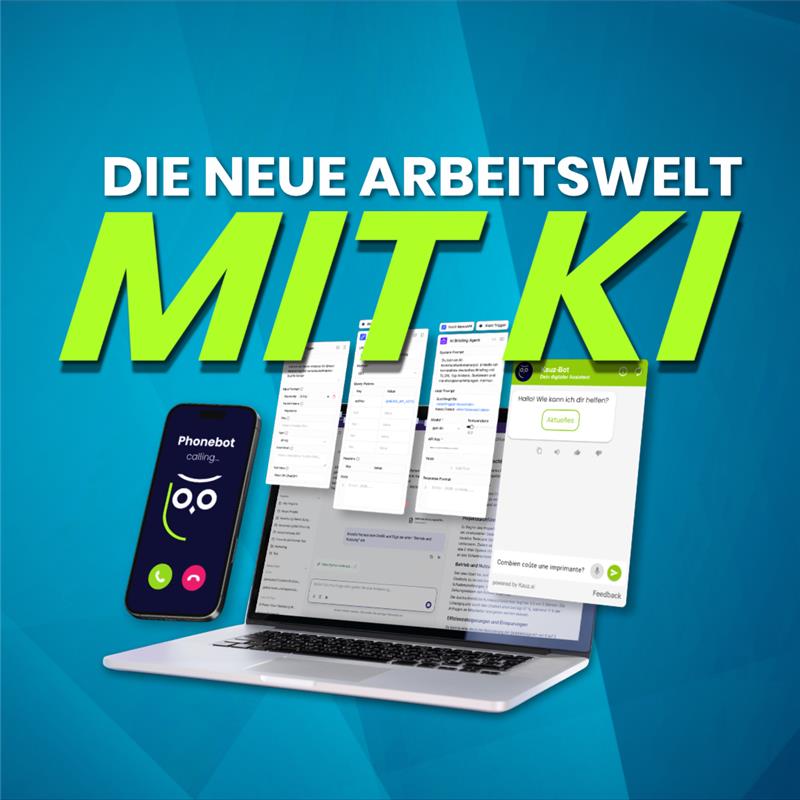
With our Spring Release 2026, we are opening up new possibilities to make everyday work easier, faster and more effective with AI.In this article, we show you how:
- How SMEs differ in their level of AI maturity
- Which best practices have proven their worth on the way to becoming an AI-first company and
- How AI will continue to change the world of work
Where is AI heading in the German SME sector?
The AI Index for SMEs 2025 shows: Already one-third of small and medium-sized businesses are using AI—and many plan to expand their use of it. Around 25% of companies with initial experience are planning to significantly expand their use this year. The pace is increasing noticeably: 77% are convinced that AI is not hype, but a decisive lever for competitiveness. However, the reality remains challenging: around one in two AI projects still fails. The reasons are varied—ranging from a mismatch between use cases and technology to insufficient support for employees and the absence of a clear AI strategy.
So how can AI be successfully introduced? Here is our perspective!

1. success factor: customizable and data-secure AI workstations
With Owl.ai we support SMEs in introducing AI in a structured way and at their own pace. Many start with the aiWorkplace – individuell konfigurierbare KI-Arbeitsplätze, abgestimmt auf Rollen, Abteilungen und konkrete Anforderungen. Different AI tools can be integrated, as can the connection of company data to the preferred LLM. The result: employees find information faster, process content more efficiently and increase their productivity independently. A quick start with immediate added value – and great scaling potential.

2nd success factor: Scalable AI workflows
With aiWorkflows AI-powered processes can be easily designed and rolled out in a targeted manner. Email automation is one of the first successful use cases, particularly in sales and service. However, companies are going further as they mature: AI workflows are being integrated across systems and channels and are increasingly automating entire process chains. One example is our new Phonebot: it makes appointments over the phone and automatically triggers follow-up processes – from calendar entries and CRM documentation to email notifications.

3rd success factor: Making AI measurable
In many companies, the initial euphoria is followed by a period of disillusionment – especially if the use of AI is not immediately reflected in clearly measurable productivity gains.
This makes transparency all the more important: those who systematically record costs, usage and workflow throughput create the basis for making the actual added value of AI visible – and controlling it in a targeted manner.

Kick-Off zu ai Workplace-Einführung

Regelmäßige Check-Ins, Q&As von Anwendern

Rollout weiterer Features
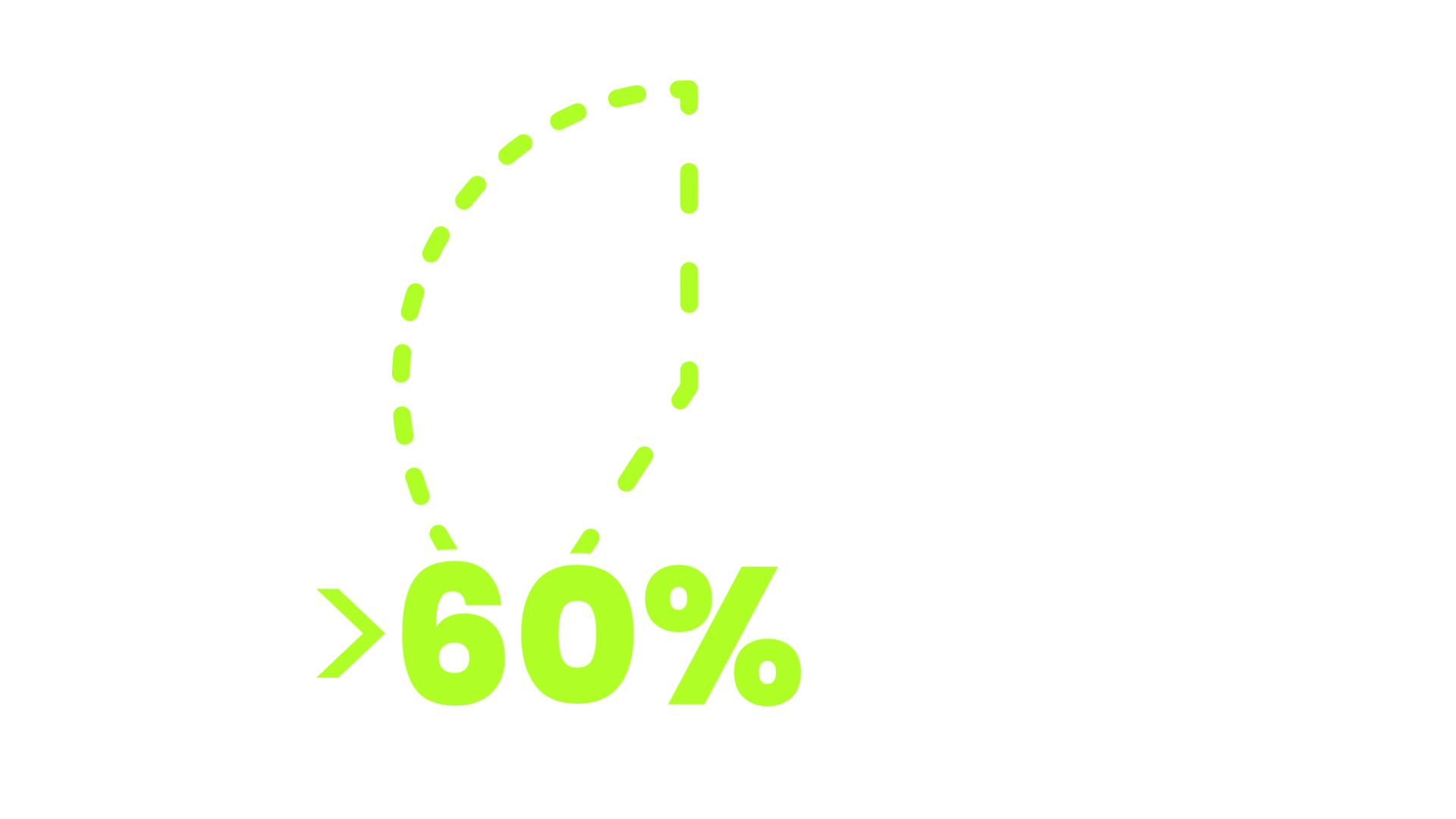
> 60% KI-Nutzung in Unternehmen innerhalb von 3 Monate
4th success factor: Communication around AI
Technology alone is not enough. The decisive factor is how AI is understood, accepted and further developed within the company. Individual workshops are a good start – but sustainable success is achieved through continuous exchange. Formats such as our AI Power Hours show how valuable practical dialog between teams is. Companies that systematically facilitate learning accelerate their AI transformation in the long term.
AI is becoming the standard – new differentiation is emerging
AI simplifies the use of software and at the same time opens up new, more comprehensive application possibilities. It is increasingly becoming the basis of modern work processes.
Today, the focus is still on efficiency. But this is only the first phase: as the company matures, new market offerings and business models will emerge that go beyond pure optimization.
When AI becomes the standard, competition will shift towards creativity, innovation and the ability to generate real added value.
What counts now
For SMEs, this means that getting started with AI is not a one-off initiative, but an ongoing transformation process. Those who start today are not only gaining efficiency – they are also building the foundation for future competitiveness. The decisive factor here is not the individual application, but the ability to sustainably integrate AI into processes, structures and collaboration. The question is not whether AI is used – but how quickly and how consistently companies develop real added value from it.